
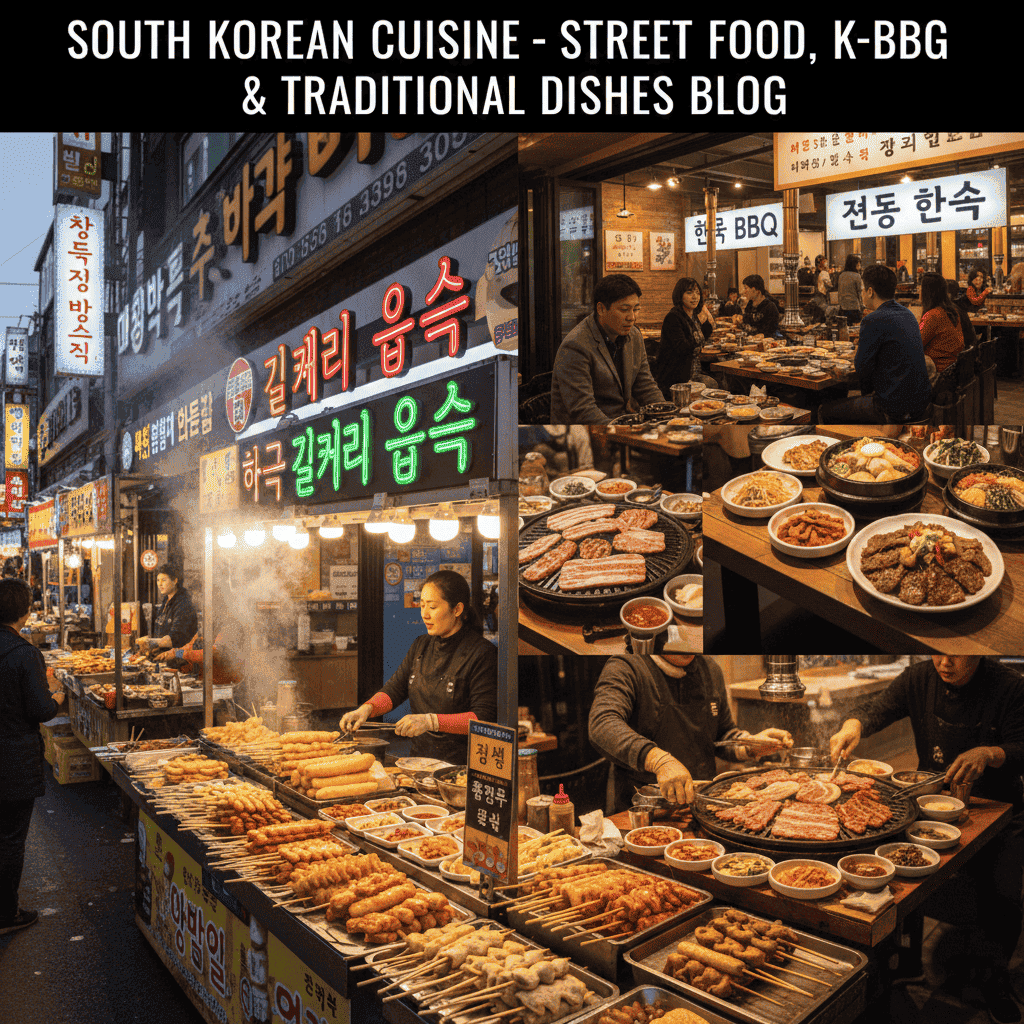
South Korean Cuisine – Street Food, K-BBQ & Traditional Dishes
South Korea is a global culinary paradise in addition to being well-known for K-pop, K-dramas, and cutting-edge technology. Bold flavors, rich traditions, and contemporary inventiveness come together perfectly in South Korean cuisine, which features everything from sizzling grills and hearty stews to mouthwatering street snacks.
Every bite tells a tale, whether you’re grilling meat at a vibrant Korean BBQ restaurant, strolling through busy street markets in Seoul, or eating a traditional meal in a Hanok village. Food-focused South Korea Tour Packages highlight popular street food, Korean BBQ, and traditional dishes—ideal for travelers eager to explore Korea through its cuisine.
Why South Korean Cuisine Is Loved Worldwide
Fly For Holidays recommends Korean cuisine to food enthusiast travelers, as it beautifully emphasizes harmony between umami, fermented, savory, sweet, and spicy flavors. Meals are tasty and nourishing because they frequently consist of rice, soup, vegetables, fermented sides (banchan), and protein.
Key highlights of Korean cuisine:
- Widespread consumption of fermented foods such as kimchi
- Seasonal, fresh ingredients
- Healthful cooking techniques
- Robust culture of communal dining
- Profound cultural and historical significance
International Tour Packages allow travelers to explore global cuisine at affordable prices, and among them, South Korea has emerged as one of the world’s most fascinating culinary destinations.
Read Also: “How to Plan a Trip to South Korea: The Ultimate Travel Guide”
Korean Street Food – A Flavor Explosion on Every Corner
The core of South Korea’s culinary culture is street food. Korean street food is inexpensive, satisfying, and flavorful; it can be found in night markets, subway stations, shopping streets, and food alleys.
Tteokbokki (Spicy Rice Cakes)
Chewy rice cakes cooked in a spicy-sweet gochujang sauce make up Tteokbokki, which is arguably the most famous Korean street dish. It is spicy, comforting, and highly addictive, and it is frequently served with fish cakes, boiled eggs, and scallions. Hongdae, Gwangjang Market, and Myeongdong are the best locations for this.
Hotteok (Sweet Korean Pancakes)
A favorite in the winter, hotteok is crispy on the outside and stuffed with nuts, brown sugar, and cinnamon. Cheese, honey, or even savory fillings are used in some contemporary versions. Ideal for tourists visiting South Korea in the winter.
Korean Corndogs (Gamja Hotdog)
Korean corndogs, in contrast to traditional ones, are perfectly deep-fried after being coated with sugar, diced potatoes, or panko breadcrumbs. They frequently have cheese sauce, mustard, or ketchup on top. A street snack that newcomers must try.
Odeng (Eomuk – Fish Cake Skewers)
Fish cake skewers are easy but delicious when served in hot broth. Warm broth is a cozy street food choice in the winter because vendors typically provide free refills.
Gimbap (Korean Rice Rolls)
Gimbap, also known as Korean sushi, is a seaweed-wrapped dish of rice, vegetables, eggs, and meat. It’s ideal for quick meals or picnics because it’s less vinegary than sushi.
Tip: Keep your South Korea Visa ready—so you don’t miss the incredible street food delights of Korean cuisine.
Read Also: “Top 15 Places to Visit in South Korea for Every Traveler”
Korean BBQ – A Dining Experience Like No Other
Korean barbecue, or K-BBQ, is an experience rather than just a meal. Meat is grilled, wrapped in lettuce, sauced, and shared with friends at the table.
What Makes Korean BBQ Special?
- Interactive table-top grilling
- Premium cuts of meat
- Unlimited side dishes (banchan)
- Customizable flavors
Must-Try Korean BBQ Dishes
- Samgyeopsal (Pork Belly BBQ)
Samgyeopsal, one of the most well-known K-BBQ dishes, is made with thick, crispy pork belly slices. It is typically consumed with ssamjang, garlic, and green chili wrapped in lettuce.
- Bulgogi (Marinated Beef)
Thinly sliced beef marinated in sugar, sesame oil, garlic, and soy sauce is known as bulgogi. Travelers from other countries love this slightly sweet and smoky beverage.
- Galbi (Short Ribs)
Charcoal-grilled marinated beef or pork ribs are flavorful, juicy, and tender. Galbi is frequently served during festivities and get-togethers with family.
Essential Korean BBQ Side Dishes (Banchan)
Kimchi
- Pickled radish
- Spinach namul
- Bean sprouts
- Potato salad
These side dishes are usually unlimited and enhance every bite.
Read Also: “Best Time to Visit South Korea”
Traditional South Korean Dishes You Must Try
- Kimchi – Korea’s National Dish
Every Korean meal includes kimchi. Kimchi is the Korean name for fermented napa cabbage and radishes. Kimchi is spicy, sour, and probiotic-rich. There exist over 200 variations of kimchi, each of which is unique to a particular region or season.
- Bibimbap (Mixed Rice Bowl)
Bibimbap is a rainbow-colored dish consisting of rice, vegetables, meat, an egg, and gochujang. It is a healthy, nourishing, and beautiful meal.
- Japchae (Glass Noodles)
Made from starch noodles derived from sweet potatoes, Japchae is stir-fried with vegetables and meat in light soy and sesame sauces. Ever so slightly sweet and chewy in texture, this is commonly found at festival occasions.
- Samgyetang (Ginseng Chicken Soup)
It is a nourishing summer dish involving a whole chicken packed with rice, ginseng, garlic, and jujube and boiled in a thick soup. It is said to replenish vitality and is most commonly consumed during peak summers in the country.
- Sundubu Jjigae (Soft Tofu Stew)
This spicy stew containing soft tofu, seafood or meat, and chili paste is served hot. It’s a favorite dish in the locality due to its consolatory properties.
- Tteokguk (Rice Cake Soup)
Korean New Year’s traditional menu includes Tteokguk, which represents luck and increasing age. The dish is light and comforting and is deeply associated with Korean culture.
Read Also: “Best Time to Visit South Korea”
Korean Desserts & Drinks You Shouldn’t Miss
Popular Korean Desserts
- Bingsu (Shaved ice with toppings)
- Yakgwa (Honey cookies)
- Injeolmi (Rice cake with soybean powder)
Traditional Korean Drinks
- Makgeolli (Rice wine)
- Soju (Korea’s iconic spirit)
- Sikhye (Sweet rice drink)
Read Also: “Applying Visa for South Korea from India in 2025”
Best Places to Experience South Korean Cuisine
- Seoul: Street food, BBQ, fine dining
- Busan: Fresh seafood and regional specialties
- Jeonju: Traditional Korean cuisine hub
- Gwangjang Market: Authentic Street food experience
Read Also: “South Korea Trip Cost from India”
Tips for Food Lovers Traveling to South Korea
- Don’t be scared of spice; if necessary, request “less spicy.”
- Since most meals are shared, it’s typical to order several dishes.
- There is a strong late-night dining culture, with many establishments remaining open until dawn.
- There are some, but not many, vegetarian options, so make plans in advance.
Final Thoughts
Eating is an experience in South Korea! It’s more than just a meal; it’s part of the culture. If you’re a food lover or simply travelling to experience new things, you’ll want to explore the culinary world of Korea. Be sure to include some time for food markets, barbecue dinners, and traditional dining options because Koreans enjoy celebrating their meals as much as they do eat them!
South Korean Cuisine – Street Food, K-BBQ & Traditional Dishes
What is unique about Korean cuisine?
Famous for its strong flavors, Korean (Korea) Food is filled with an assortment of Fermented Foods and Ingredients to create a balance between Sweetness, Savory, Umami, and Heat.
What is the national dish of South Korea?
The National Dish of South Korea is typically accepted as ‘Kimchi’ and consists of fermented vegetables (most commonly cabbage) mixed with chilies, garlic, and other seasoning/spices, served alongside almost all meals in Korea.
Is Korean food very spicy?
Many Korean Foods are considered to be Spicy but many are Mild or Not Spicy (such as; ‘Bulgogi’, ‘Japchae’, and ‘Samgyetang’) and easily found while travelling through Korea.
What is the popular street food in Korea?
Famous Korean Street foods include ‘Tteokbokki’, ‘Hotteok’, ‘Korean Corn Dog’, ‘Gimbap’, and Fishcake Skewers (Odeng).
Does South Korea have vegetarian food?
There are vegetarian options available depending on which area of Korea you are travelling to, but travelers should plan ahead of time, because the majority of Korean dishes contain meat and/or seafood.
Which Korean city has the best food?
Jeonju (north Jeolla Province) has gained worldwide recognition as a Unesco City of Gastronomy due to its diverse range of culinary offerings and ability to put twists on traditional Korean cuisine such as bibimbap and rice wine.
Is South Korea a good destination for food tourism?
South Korea is becoming increasingly popular worldwide for food tourism because it offers many different culinary options at extremely reasonable prices.
What food must I try in Korea?
When traveling to South Korea, tourists can enjoy these dishes: bibimbap, bulgogi, samgyeopsal, japchae, sundubu jjigae and samgyetang.
What is the most popular drink in Korea?
The main beverages of Korea are soju (a type of rice whisky), makgeolli (unrefined rice wine), sikhye (sweetened rice drink) and traditional herbal teas.
When is the best time to visit South Korea for food experiences?
The spring and autumn months are the ideal times of year to visit, as they feature many food festivals, comfortable temperatures and the opportunity to sample seasonal foods.

Hello! I’m Prasad Gurav (PSD), and welcome to my little corner of the internet where stories, journeys, and experiences come alive. My love for travel isn’t just about ticking places off a list—it’s about discovering the world, meeting people, and sharing stories that inspire others to explore beyond their comfort zones.