
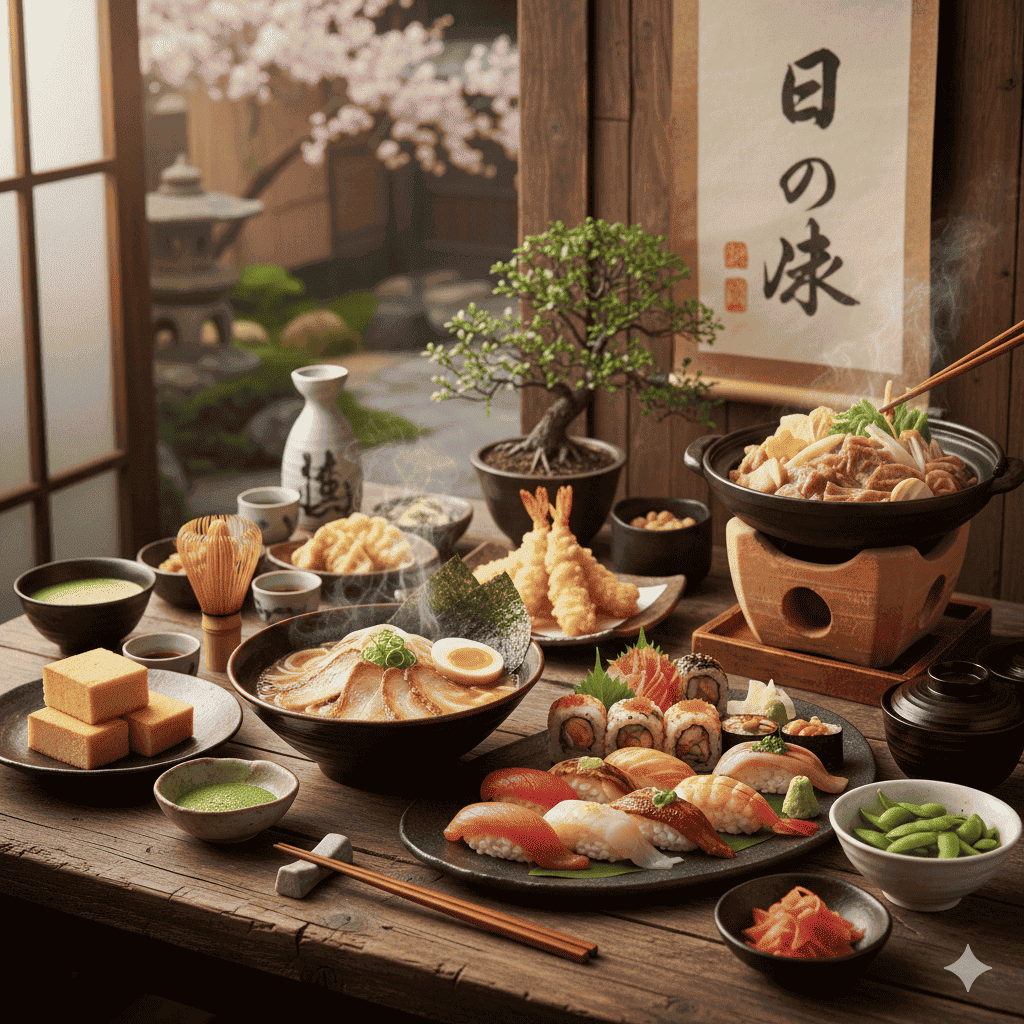
A Taste of Japan: Exploring the Country Through Its Rich Culinary Heritage
Japan is not just a place to visit, It’s an experience for all five senses. A Japan Trip offers one of the most varied and sophisticated culinary landscapes in the world, from neon-lit street food alleys to ancient tea ceremonies. Gastronomic Japan promises a journey that combines tradition, innovation, and global influence on every plate, whether you’re an avid foodie, an inquisitive traveler, or a luxury seeker.
Fly For Holidays offers tourists to explore Japan’s globally acknowledged its outstanding culinary culture & has more Michelin-starred eateries than any other nation, in addition to modest street vendors offering mouthwatering dishes. This blog explores Japanese cuisine, local specialties, international influences, and the reasons Japan is a popular food tourism destination.
Why Japan Is a Dream Destination for Food Lovers
Respect for the natural world, seasonality, and harmony are fundamental to Japanese cuisine culture. Many traveling agencies launch affordable Japan Tour Packages for travelers to experience the UNESCO designated traditional Japanese food, or “Washoku,” as an Intangible Cultural Heritage, underscoring its significance on a global scale.
What makes Japanese gastronomy unique?
- A focus on seasonal, fresh ingredients
- Cooking simply to bring out the flavors of food
- Presentation of art
- Food, culture, and history have a close relationship.
Gastronomic tourism in Japan is about more than just eating; it’s about discovering the essence of the nation.
Read Also: “Top 10 Must-Visit Places in Japan for Every Type of Traveler”
Traditional Japanese Cuisine: The Heart of Gastronomic Japan
Traditional Japanese cuisine is one of the most appreciated food cultures in the world because of the delicacy of balance, freshness, and art. Many people visit Japan with Japanese Visa to taste all the authentic local cuisines of the country, and some of them are mentioned herein as the most famous ones:
Sushi & Sashimi – Japan’s Global Culinary Icons
A trip to Japan wouldn’t be complete without sushi. Japan has sushi to suit every taste and budget, from upscale Omakase sushi counters in Tokyo to reasonably priced conveyor belt sushi (Kaiten-zushi).
- Hand-pressed rice with fresh seafood is called nigiri.
- Seaweed-wrapped rolled sushi is called maki.
- Sashimi is just raw fish slices without any rice.
Top Locations: Osaka, Kanazawa, and Tokyo’s Tsukiji and Toyosu Markets
Ramen – Comfort Food with Regional Personality
Ramen is an obsession rather than just a dish of noodles. There are distinct ramen styles in every part of Japan.
Popular varieties include:
- Fukuoka’s tonkotsu ramen is a rich broth made from pork bones.
- Sapporo miso ramen is filling and comforting.
- Tokyo’s Shoyu Ramen is made with soy sauce.
After long days of sightseeing, late-night ramen shops provide warmth and comfort, making them cultural landmarks.
Tempura – Light, Crispy Perfection
Japan’s mastery of simplicity is exemplified by tempura. Vegetables and seafood are fried to golden perfection after being lightly battered.
- Tempura with shrimp
- Vegetables in season, such as lotus root and pumpkin
- Served over rice or with a dipping sauce (Tendon)
Kaiseki – The Art of Japanese Fine Dining
Japan’s haute cuisine, known as kaiseki, is a multi-course meal that draws inspiration from seasonal harmony and Zen philosophy.
Every dish represents:
- Harmony between flavor and texture
- Creative plating
- Kyoto, Japan’s cultural center, offers the best experiences.
- Seasonality
Read Also: “How to Plan a Trip to Japan: The Ultimate Travel Guide”
Regional Specialties That Define Japan’s Culinary Map
International Tour Packages invite travelers to experience the world’s diverse food culture, and Japan stands out as a vital pillar of global cuisine, distinguished by its rich regional specialties and unique culinary identity.
Osaka – The Nation’s Kitchen
Osaka is well-known for its casual dining and street food culture.
Must-try dishes:
- Takoyaki – Octopus balls
- Okonomiyaki – savory pancakes
- Kushikatsu – deep-fried skewers
Kyoto – Subtle, Elegant, Traditional
Refinement and vegetarian Buddhist cooking are the main features of Kyoto’s cuisine (Shojin Ryori).
Highlights:
- Tofu specialties
- Seasonal vegetables
- Matcha-based desserts
Hokkaido – Japan’s Fresh Food Paradise
Renowned for its cold-climate cuisine, seafood, and dairy products.
Famous for:
- Crab feasts
- Miso ramen
- Fresh milk, cheese, and ice cream
Hiroshima & Nagoya – Local Flavors with Identity
Reflecting the city’s bold and comforting flavors shaped by local traditions & best known for miso-based dishes.
- Hiroshima-style Okonomiyaki – layered, not mixed
- Hitsumabushi (Nagoya) – grilled eel served three ways
Read Also: “What are the Necessary Requirements and Fees for Visa of Japan?”
Japanese Street Food: Flavor on the Go
The street food scene in Japan is lively, hygienic, and very tasty. It plays an important role in Japan’s food culture as restaurants.
Popular street foods include:
- Taiyaki – fish-shaped sweet cake
- Dango – rice dumplings
- Yakisoba – fried noodles
- Korokke – Japanese croquettes
For those who enjoy street food, night markets, festivals (Matsuri), and food streets like Dotonbori (Osaka) and Asakusa (Tokyo) are ideal.
Japanese Street Food: Flavor on the Go
The street food scene in Japan is lively, hygienic, and very tasty. It plays an important role in Japan’s food culture as restaurants.
Popular street foods include:
- Taiyaki – fish-shaped sweet cake
- Dango – rice dumplings
- Yakisoba – fried noodles
- Korokke – Japanese croquettes
For those who enjoy street food, night markets, festivals (Matsuri), and food streets like Dotonbori (Osaka) and Asakusa (Tokyo) are ideal.
Global Flavors in Japan: Where East Meets West
Japan is famous for its amazing skill to take any foreign food and turn it into a unique Japanese cuisine.
Western Cuisine with a Japanese Twist
They are called Yōshoku, these are Japanese-style dishes influenced by the West, which have:
- Japanese curry rice
- Hamburg steak (Hambāgu)
- Omurice – omelette over rice
International Cuisine in Major Cities
Tokyo, Osaka, and Yokohama are considered the food capitals of the world and offer:
- Authentic Italian & French restaurants
- Korean BBQ and Chinese dim sum
- Indian, Thai, and Middle Eastern cuisine
Japan’s accuracy and top-notch quality are the reasons why every international dish is elevated to a higher level.
Japanese Desserts & Sweets: A World of Delicate Indulgence
Traditional Wagashi
Wagashi are Japanese traditional sweet treats that are usually served with green tea.
Popular types:
- Mochi
- Dorayaki
- Manju
Modern Desserts & Cafés
Japan is a dream place for anyone who has a sweet tooth:
- Matcha tiramisu
- Fluffy Japanese pancakes
- Seasonal parfaits
- Themed cafés (anime, animal, and character cafés)
Tea, Sake & Japanese Beverages
Matcha & Green Tea Culture
Tea ceremonies are all about being mindful and following tradition. Matcha is incorporated in:
- Tea
- Desserts
- Ice creams and lattes
Sake & Japanese Whisky
Japan has a variety of superb beverages to offer:
- Sake – rice wine with regional variations
- Japanese whisky – award-winning and refined
Through food tours and visits to breweries you can deepen your culinary experience.
Food Experiences Every Traveler Should Try
- Sushi-making classes
- Ramen workshops
- Market tours with local chefs
- Izakaya hopping (Japanese pub culture)
- Michelin-star dining experiences
These activities turn food into unforgettable memories.
Best Time to Visit Japan for Food Lovers
Japan’s cuisine changes with the seasons:
- Spring: Cherry blossom sweets, fresh seafood
- Summer: Cold noodles, festival food
- Autumn: Mushrooms, chestnuts, wagyu beef
- Winter: Hot pots (Nabe), ramen, seafood
Each season has something unique to offer to the gastronomic travelers.
Conclusion: Plan Your Culinary Journey to Japan
Gastronomic Japan is a festival of taste, skill, and culture, where every meal is a tale based on ancient customs but influenced by global trends. Besides exquisite Kaiseki meals, lively street food, and international dishes with a Japanese touch, Japan offers a culinary journey that fills both the heart and the palate. For travelers who want more than just sightseeing, experiencing Japan through its food is the tastiest way to know the country.
A Taste of Japan: Exploring the Country Through Its Rich Culinary Heritage Faq's
Why is Japan famous for its food?
Japan is well known for its food culture that revolves around freshness, seasonality, flavor balance, and artistic presentation, as well as a strong reverence for culinary traditions.
Which city is best for food tour in Japan?
Tokyo is hailed as the best city for food lovers that has everything from Michelin-starred restaurants to street food, plus diverse international cuisine.
Is Japanese cuisine listed in UNESCO?
Washoku is a term that defines traditional Japanese food that mainly uses seasonal ingredients, is nutritionally balanced, and has natural flavors. It has been recognized by UNESCO as an Intangible Cultural Heritage.
Is it okay to eat in the streets of Japan?
Japanese generally do not eat while walking along or standing on the street. Nevertheless, it is permissible to have a drink while standing next to vending machines, which are very common in Japan.
What is the best time to visit Japan for food tourism?
Japan is a food destination for all seasons, but spring and autumn are more attractive due to seasonal specialties and food festivals.
Japan have international cuisine?
Japan offers international cuisines of all types such as Italian, French, Korean, Chinese, Indian, and Western-style Japanese dishes known as Yōshoku.
Where to do a food tour in Japan?
Yes, tourists are able to take part in food tours such as market visits, street food walks, sushi-making classes, ramen workshops, and sake brewery tours.
What drinks are popular in Japan besides tea?
Some of the most popular Japanese drinks are sake, Japanese whisky, beer, and local specialties like plum wine (Umeshu).
What is the best Japanese food to try?
Tourists are recommended to eat sushi, ramen, tempura, okonomiyaki, takoyaki, Japanese curry, and traditional sweets like mochi.
Is Japan expensive for food?
Japanese cuisine is capable of catering to all types of budgets—from cheap meals from convenience stores and street food to luxurious dining experiences.

Hello! I’m Prasad Gurav (PSD), and welcome to my little corner of the internet where stories, journeys, and experiences come alive. My love for travel isn’t just about ticking places off a list—it’s about discovering the world, meeting people, and sharing stories that inspire others to explore beyond their comfort zones.